 Get the Briefing
We moved the tower to 60,000 ft.
Starlink and AST push signal from 550 km up. We fly at 60,000 ft — 28x closer.
5G direct to the phone already in your hand.
One hydrogen aircraft does the work of 450 ground towers.
No satellite. No new hardware.
Briefings land before the press release. No spam.
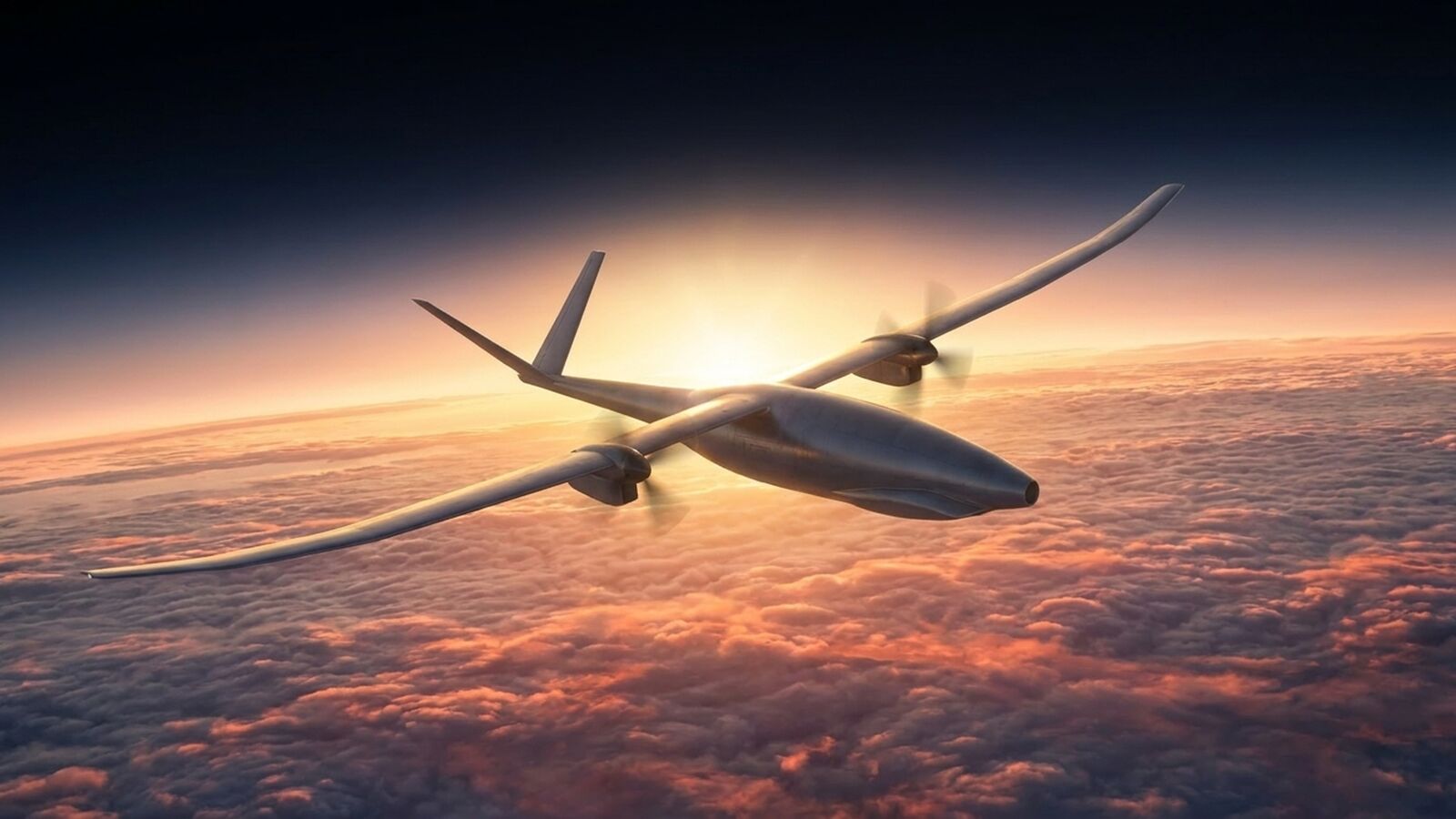










Live 5G from the stratosphere — demonstrated to BT and the UK Ministry of Defence. World-first stratospheric 4G with Deutsche Telekom, 2020. Recognised at UN COP28.
“…not meaningfully competitive with existing terrestrial cellular networks.”
— Elon Musk, on Starlink Direct-to-Cell
He is right. A satellite at 550 km spreads about 7 Mbps across a cell hundreds of kilometres wide, shared by everyone under it. Brilliant for dead zones. Not built to carry a city.
We fly at 20 km. 28x closer. A massively stronger signal to the phone already in your hand. In radio terms, a different sport.
Orbit vs the sky layer
| Starlink Direct-to-Cell | WMS StratoMast | |
|---|---|---|
| Technology | 4G/LTE, text-first | LTE / 4G / 5G |
| Altitude | ~550 km, passing overhead | 20 km, fixed on station over 15,000 km² |
| Speed to phone | ~7 Mbps per beam, shared | 90 Mbps demonstrated, 200+ Mbps platform capability |
| Latency | ~30 ms | ~6 ms |
| Concurrent users | Dozens of active data users per beam | designed for up to ~500,000 simultaneous users per aircraft |
| Capacity | Thin global coverage layer | ~450 terrestrial towers’ worth of capacity |
| Handset | Standard phone, partner carriers only | Standard phone, no custom hardware |
| Spectrum | Locked to partner carrier bands, country by country | Spectrum agnostic, carrier agnostic |
| Hardware | Fixed at launch, burns up in ~5 years | Lands, payload upgraded, 20-year airframe |
| Sovereignty | Foreign-controlled constellation | National control of aircraft, payload and traffic |
| Route to service | Via partner mobile operators | Wholesale service for mobile operators |
Demonstrated figures are test results; platform figures are design capability.
Ground towers reach the phone but cover almost nothing. Satellites cover the planet but barely reach the phone. The stratosphere does both.
A satellite is fixed at launch and burns up in about 5 years. A StratoMast lands, upgrades its payload, and flies for 20 years.
450 towers. One aircraft.
Aircraft, payload and traffic under national control — not a foreign constellation. Spectrum, routing and subscriber data stay in-country.
A decade in the making. Public phase starting now.
- 2014A decade of stratospheric flight testing begins
- 2020World-first stratospheric 4G on a live network, with Deutsche Telekom
- 2022World-first 5G from the stratosphere — 90 Mbps, live video calls, 4 hours continuous
- 2023–2490 Mbps direct-to-device demonstrated to BT and the UK Ministry of Defence
- 2025World Mobile Stratospheric formed
- Oct 2026BT airborne phased-array 5G trial, Adastral Park — already scheduled
- 2027Target: first rapid-response deployments
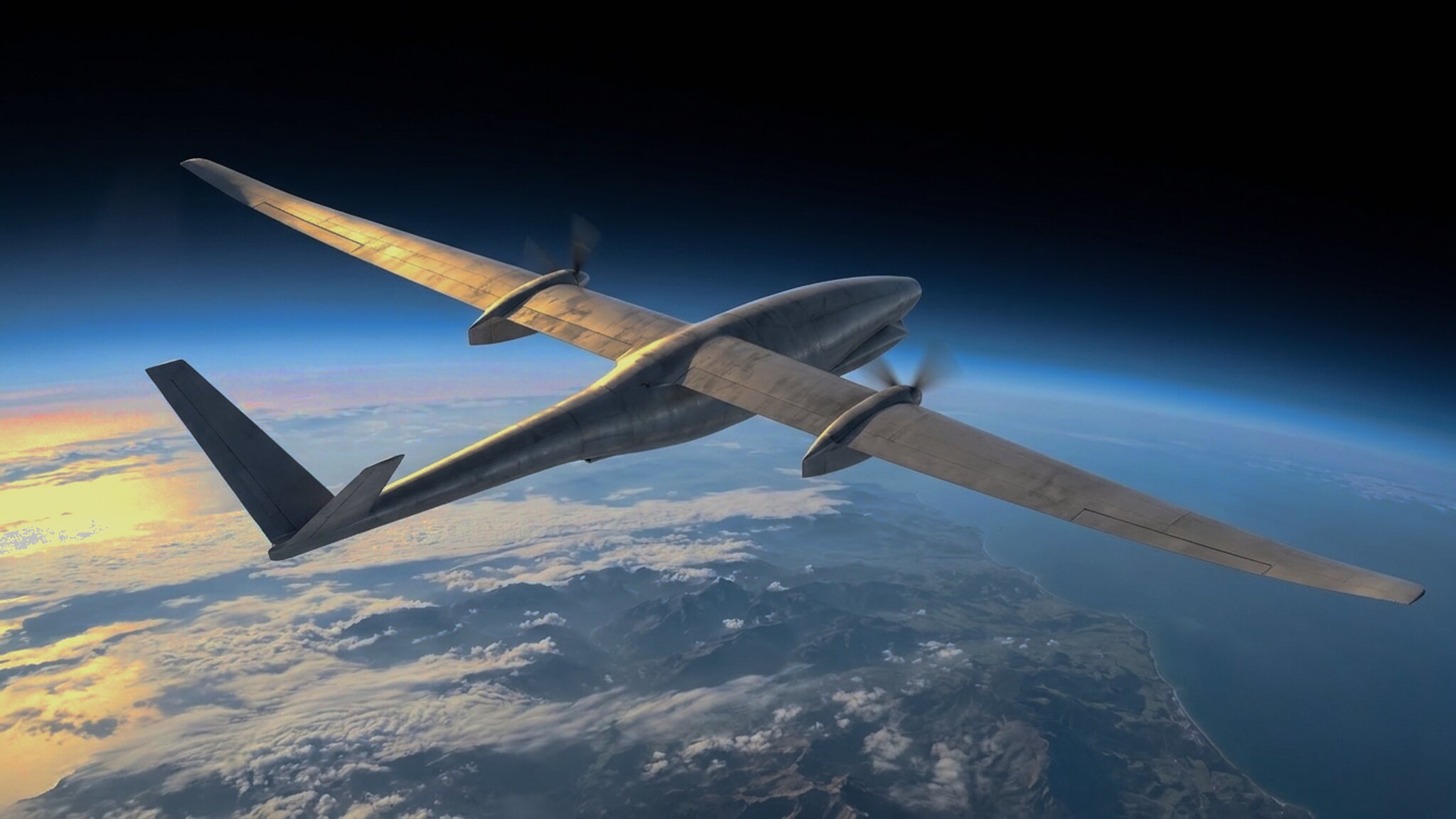
Most people will hear about this after it launches.
You are hearing about it now. The next demonstration is already scheduled for Oct 2026. The people following this closest hear about it first.
Get ahead of the story.
Flight-test footage, partner announcements and milestone briefings — before they reach the press.
You’re in.
The next briefing covers the BT airborne 5G trial. Until then, see the full story at World Mobile Stratospheric.
The briefing comes by email — if nothing lands, check your spam folder.
You’re early. Most people will hear about this after the first platforms fly.